High Efficiency Maximize Power MPPT Solar Charge Controller | Ultimate Power Solution


Ultimate Power Solution: High Efficiency Pro-Double MPPT Solar Charge Controller
Unlock the full potential of your solar panels with our revolutionary High Efficiency MPPT Solar Charge Controller. Designed for serious off-grid solar systems, RVs, and cabins, this is the smart power management solution you need to maximize power output and ensure battery charging is faster, safer, and more complete. Stop leaving power on the table and start harvesting every watt your solar energy system can produce!

Key Advantages: Why MPPT is Superior
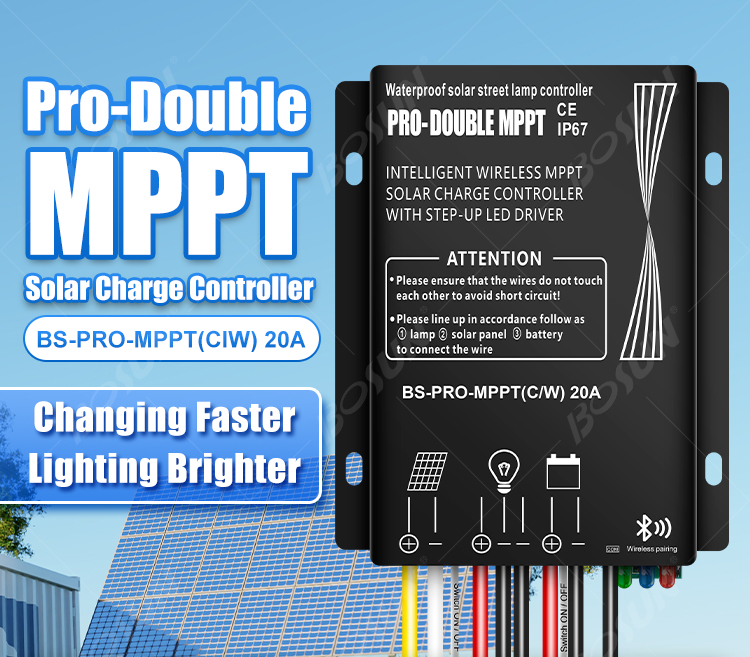
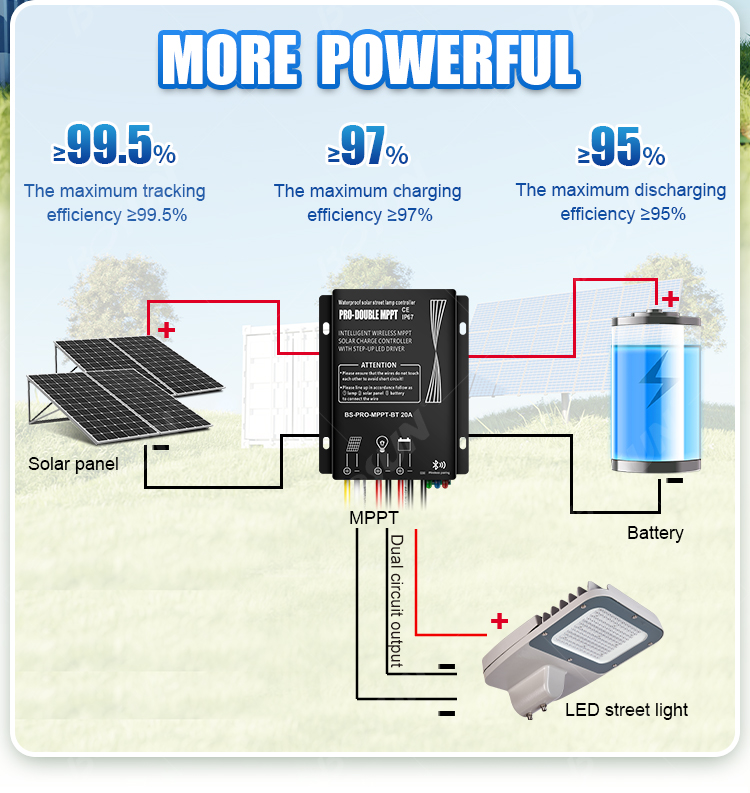
Gebosun Pro-Double MPPT solar charge controller utilizes maximum power point tracking technology, an advanced electronic system that continuously monitors and adjusts the operating voltage of your solar array. This ensures your panels are always producing the maximum power possible, regardless of changing sunlight or temperature.
Unmatched Efficiency: Experience a 10% to 30% increase in energy harvest compared to traditional controllers, especially in cold weather or when battery voltage is low. Gebosun controller's efficiency rating is typically 90% or higher.
Flexible System Design: Use higher-voltage, lower-cost solar panels (like 60-cell modules) to charge lower-voltage battery banks (12V or 24V). This gives you the freedom to choose panels that offer the best cost per watt.
Superior Low-Light Performance: The intelligent tracking algorithm excels in variable conditions, like cloudy days or early morning/late evening sun, ensuring your system keeps charging when simpler controllers would fall short.
Reduced Wiring Costs: By allowing you to run higher voltage from your solar array, you can use thinner, less expensive wiring over longer distances, minimizing voltage drop and saving you money on installation.
MPPT vs. PWM: The Efficiency Comparison
| Feature | Gebosun MPPT Charge Controller | Standard PWM Controller |
| Technology | Maximum Power Point Tracking (DC-to-DC Converter) | Pulse Width Modulation (Electronic Switch) |
| Efficiency | Ultra-High (Up to 99% tracking), typically 10%–30% more energy harvest | Lower (75%–80%), wastes excess voltage as heat |
| Panel Compatibility | Highly Flexible (Can use higher voltage panels) | Requires array voltage to closely match battery voltage |
| Best For | Large solar systems, cold climates, high-voltage arrays, serious off-grid solar | Small, low-power systems, basic battery charging |
| Performance in Cold | Significantly better (captures higher voltage) | Limited (voltage is pulled down to battery level) |
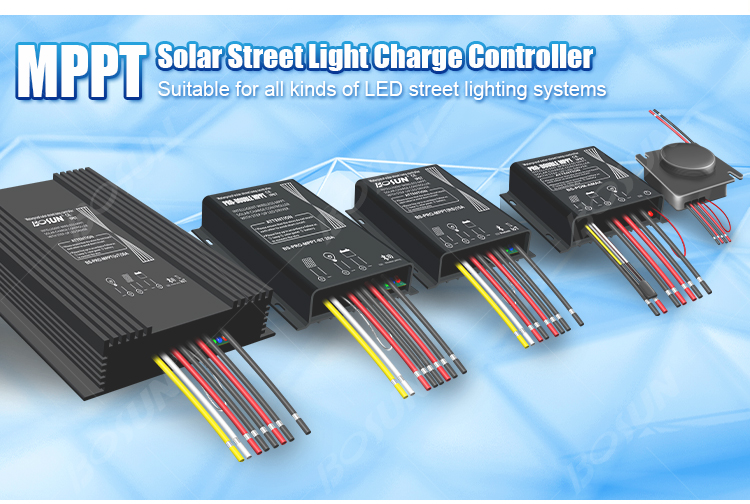
The Power of Conversion
A PWM controller acts as a switch, forcing the voltage of the solar panels down to match the battery voltage, which causes a loss of power. Gesboun Pro-Double MPPT solar charge controller, however, acts as an intelligent DC-to-DC converter. It takes the excess voltage from the panels and converts it into a higher usable current, ensuring the Maximum Power Point is tracked and delivered to your battery. This crucial function means you are converting otherwise wasted power into useful, faster battery charging. Upgrade to the High Efficiency MPPT Solar Charge Controller today and make the smart investment in your solar energy future. Get the most from your solar panels and ensure your off-grid solar system is operating at its absolute peak.
Frequently Asked Questions about the MPPT Solar Charge Controller
What does MPPT stand for, and how is it more efficient?
MPPT stands for Maximum Power Point Tracking. It's an intelligent electronic system that constantly tracks the optimal voltage and current point (the Maximum Power Point) where your solar panels produce the greatest power.
It takes the higher voltage from your panels and converts the excess voltage into additional current to charge your battery. This can result in 10% to 30% more energy harvest compared to a basic PWM controller, especially in cold weather or when panel voltage is high.
Is an MPPT controller worth the higher price?
Yes, absolutely. The small initial price difference is typically offset quickly by the increased power output and faster battery charging times, leading to a faster return on investment. The higher efficiency and ability to use cheaper, high-voltage grid-tie panels make it the superior choice for any medium to large off-grid solar system, RV, or cabin.
Can the MPPT controller charge a lower-voltage battery with a high-voltage solar panel?
Yes, this is a major advantage! An MPPT controller can easily take a high-voltage array (e.g., three 20V panels wired in series for 60V) and convert that power to efficiently charge a low-voltage battery charging system (like 12V or 24V). This is impossible for PWM controllers.
In what order should I connect the wires?
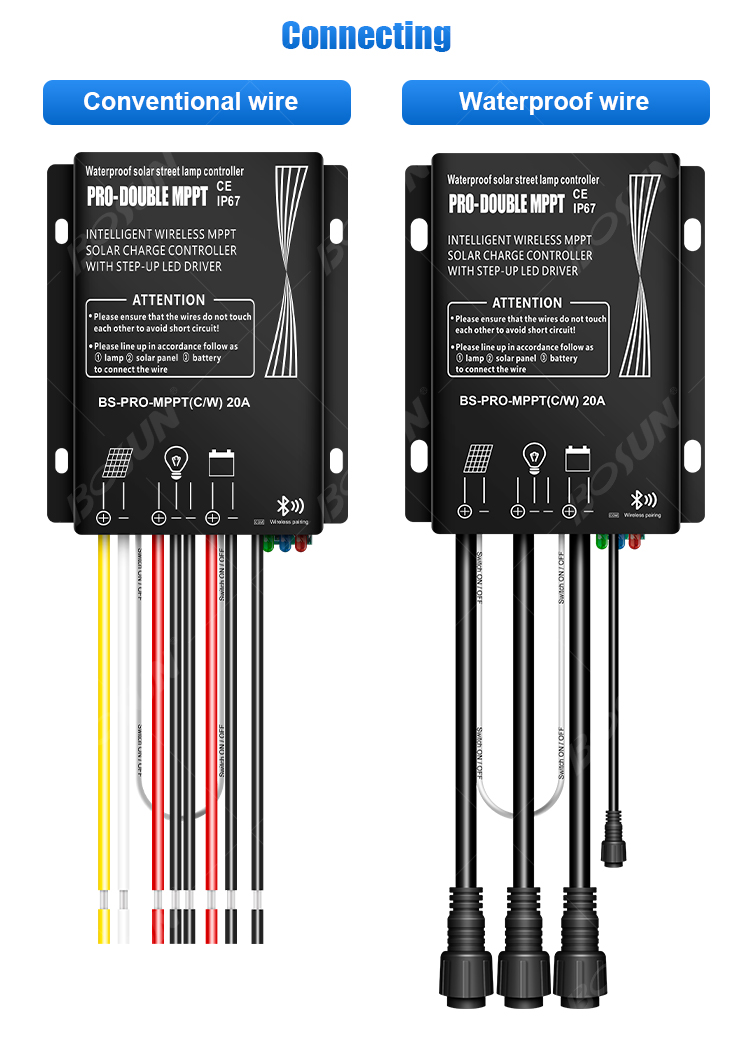
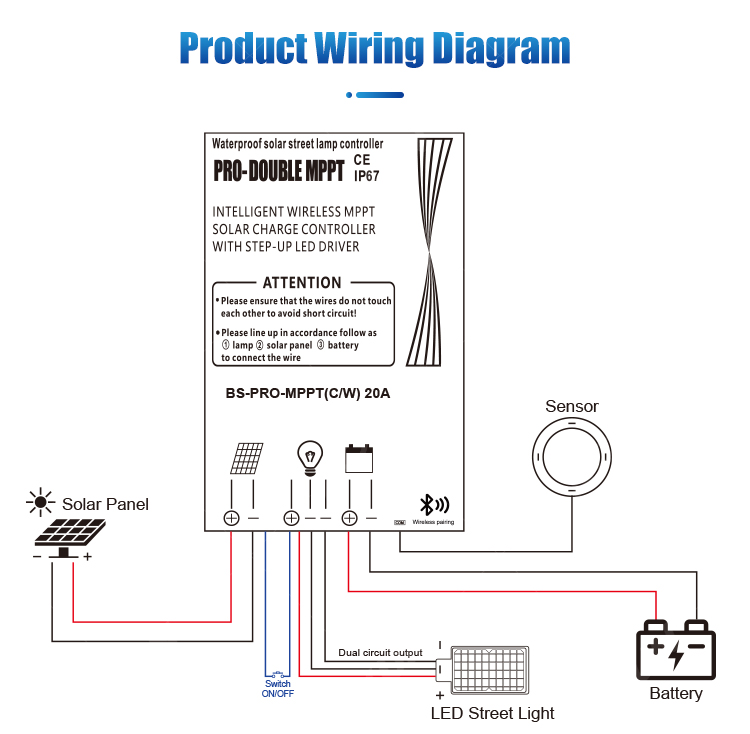
For safety and to ensure the controller detects the correct battery voltage, you must always connect in this sequence:
Battery to the Controller FIRST (connects battery bank to the battery terminals).
Solar Array to the Controller (connects panels to the PV terminals).
Load to the Controller (if using the optional DC load terminals).
To disconnect, follow the reverse order (Load, PV Array, then Battery).
What if my controller is overheating?
MPPT controllers naturally radiate heat, especially when converting high-voltage/high-current power. If the unit consistently displays an overheat warning or shuts down, check for:
Poor Ventilation: Ensure the controller is mounted in a well-ventilated area, away from direct sunlight or confined spaces.
Oversizing: While most MPPTs handle modest over-paneling, check your wiring and sizing calculations to ensure you are not exceeding the controller's Max Output Current.
Why is my battery not charging, even with full sun?
Loose or Corroded Wiring: Check all connections, especially at the battery and the controller terminals. Voltage drops from loose wires can severely impact charging.
Incorrect Battery Settings: Ensure the charge controller is programmed for your specific battery type (Lead Acid, LiFePO4, etc.) and that the Absorption and Float voltages are set correctly.
Battery Protection: If the battery is severely over-discharged, the controller may not detect it correctly. You may need to use an AC charger to bring the battery voltage up to an acceptable level first.