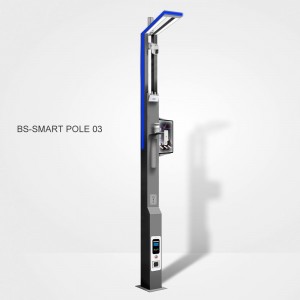
Smart & Sustainable Infrastructure for Urban Public Space Development in Bangladesh
Bangladesh is undergoing accelerated urbanization, with Dhaka serving as the primary economic and administrative hub. As population density increases and mixed-use developments expand, urban public spaces—including road intersections, pedestrian corridors, residential-commercial transition zones, and civic plazas—require infrastructure systems that go beyond conventional lighting.
In Dhaka, urban public space infrastructure must address mobility management, environmental resilience, public safety, and digital governance simultaneously. Traditional standalone lighting poles, traffic systems, and surveillance installations often operate independently, leading to fragmented management and higher lifecycle costs.
Infrastructure quality in these environments directly affects traffic efficiency, pedestrian safety, public confidence, and municipal operational performance. Integrated infrastructure platforms are therefore increasingly necessary to support sustainable urban growth.
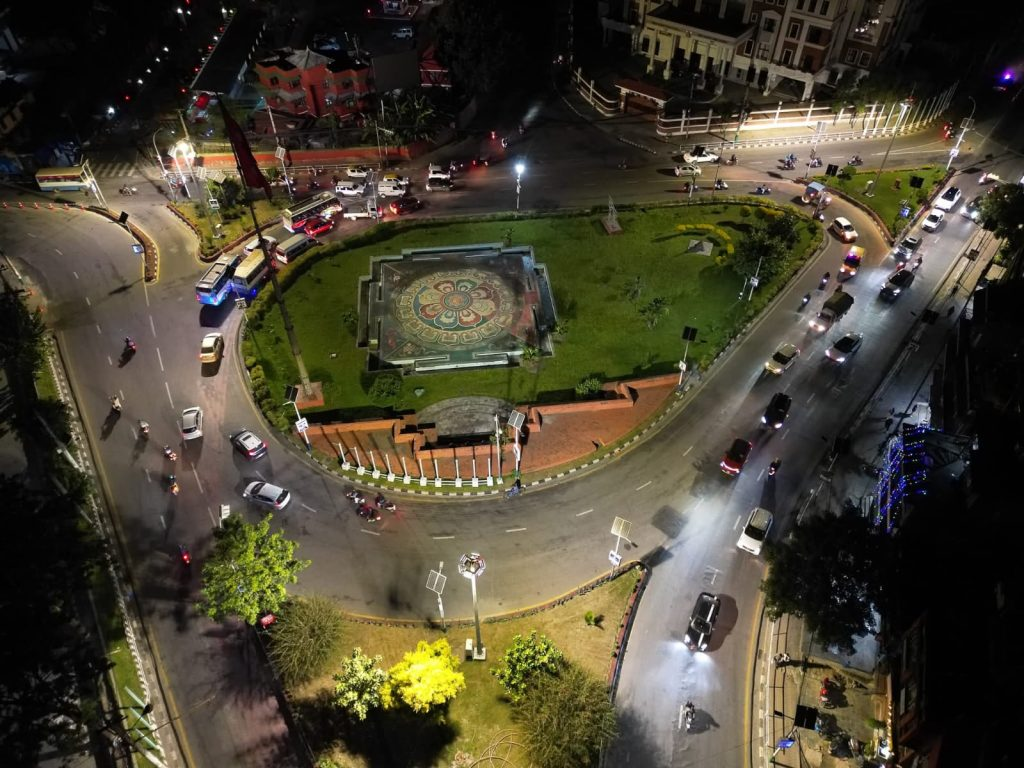
Pain Points: Infrastructure and Lighting Challenges in Bangladesh's Urban Public Space Environments
Environmental and Climatic Challenges
Bangladesh's tropical monsoon climate introduces high humidity, heavy rainfall, seasonal flooding, and airborne particulates. Infrastructure components exposed to such conditions frequently experience corrosion, electrical instability, and reduced service life.
Operational and Power Constraints
Urban areas experience fluctuating electricity demand. In high-density districts, grid instability and peak load stress can affect public lighting reliability. Standalone systems lack coordinated energy management logic.
Safety and Efficiency Limitations
Road intersections and pedestrian corridors require coordinated lighting, traffic monitoring, and surveillance. Disconnected systems delay incident detection and reduce response efficiency.
Maintenance and Lifecycle Cost Issues
Multiple light poles for lighting, cameras, signal equipment, and communication devices create redundant foundations, cabling complexity, and increased maintenance workload. Asset management becomes reactive rather than preventive.
Sustainability, Policy, and Governance Pressure
Bangladesh's national urban development strategy emphasizes energy efficiency, digital governance, and resilient infrastructure. Conventional infrastructure models struggle to meet carbon reduction and smart city integration goals.
Why is Smart Pole Essential in Bangladesh?
Urban public space infrastructure requires vertical integration of multiple systems within a limited physical footprint. A Smart Pole platform enables consolidation of lighting, surveillance, communication, environmental monitoring, and traffic support systems into a unified structural and operational framework.
In Bangladesh, such a solution addresses three critical needs:
-
Spatial efficiency in dense urban corridors
-
Environmental durability under monsoon conditions
-
Digital integration aligned with smart governance initiatives
Why the Customized Smart Pole Can Solve These Challenges?
For this deployment scenario, the Smart Pole is considered an integrated municipal infrastructure system rather than a standalone hardware unit.
System Integration Capability
The product architecture supports consolidation of lighting modules, CCTV systems, traffic signal interfaces, environmental sensors, and communication equipment within a unified structural frame. This eliminates redundant installations and simplifies underground civil works.
Structural and Environmental Adaptability
Given Dhaka's rainfall intensity and seasonal flooding, infrastructure must withstand moisture ingress and corrosion exposure. The Smart Pole's enclosed structural design and elevated equipment compartments reduce environmental vulnerability while maintaining structural stability under wind loads common during storm seasons.
Functional Modularity and Future Scalability
Urban infrastructure requirements evolve. The product’s modular platform logic allows additional smart components—such as public Wi-Fi, emergency call systems, or environmental analytics modules—to be added without replacing the structural base. This preserves capital investment while enabling phased digital expansion.
Centralized Operation and Management Logic
The Smart Pole functions as a network node capable of centralized monitoring. Fault detection, performance data, and operational status reporting can be integrated into municipal management systems. This shifts maintenance from reactive site visits to predictive asset management.
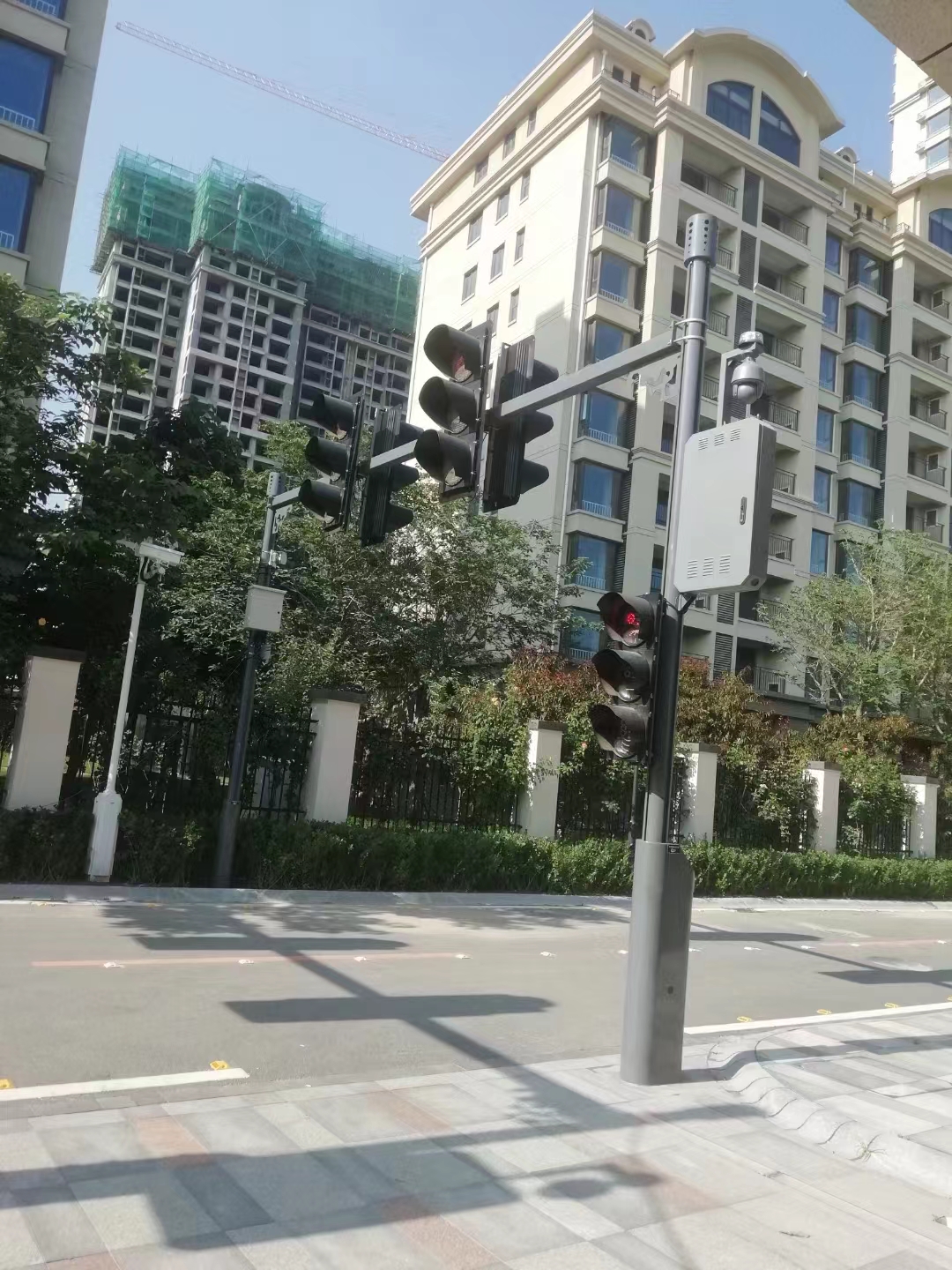
Project Case Study: Dhaka, Bangladesh — Deployment of Smart Pole for Urban Public Space
Project Background & Key Challenges
Existing Setup:
-
Separate lighting poles
-
Standalone CCTV mounts
-
Traffic signal masts
-
Independent communication cabinets
Operational Challenges:
-
Congested roadside infrastructure
-
Repetitive foundation construction
-
Delayed incident monitoring
-
Corrosion-related equipment degradation
-
High maintenance dispatch frequency
These limitations affected traffic management efficiency and increased municipal operational costs.
Contact Us for Exclusive Lighting Solution
How the Solution Was Designed?
Design principles included:
-
Vertical consolidation of multi-functional systems
-
Reduction of ground-level footprint
-
Weather-resilient equipment enclosure
-
Networked control architecture
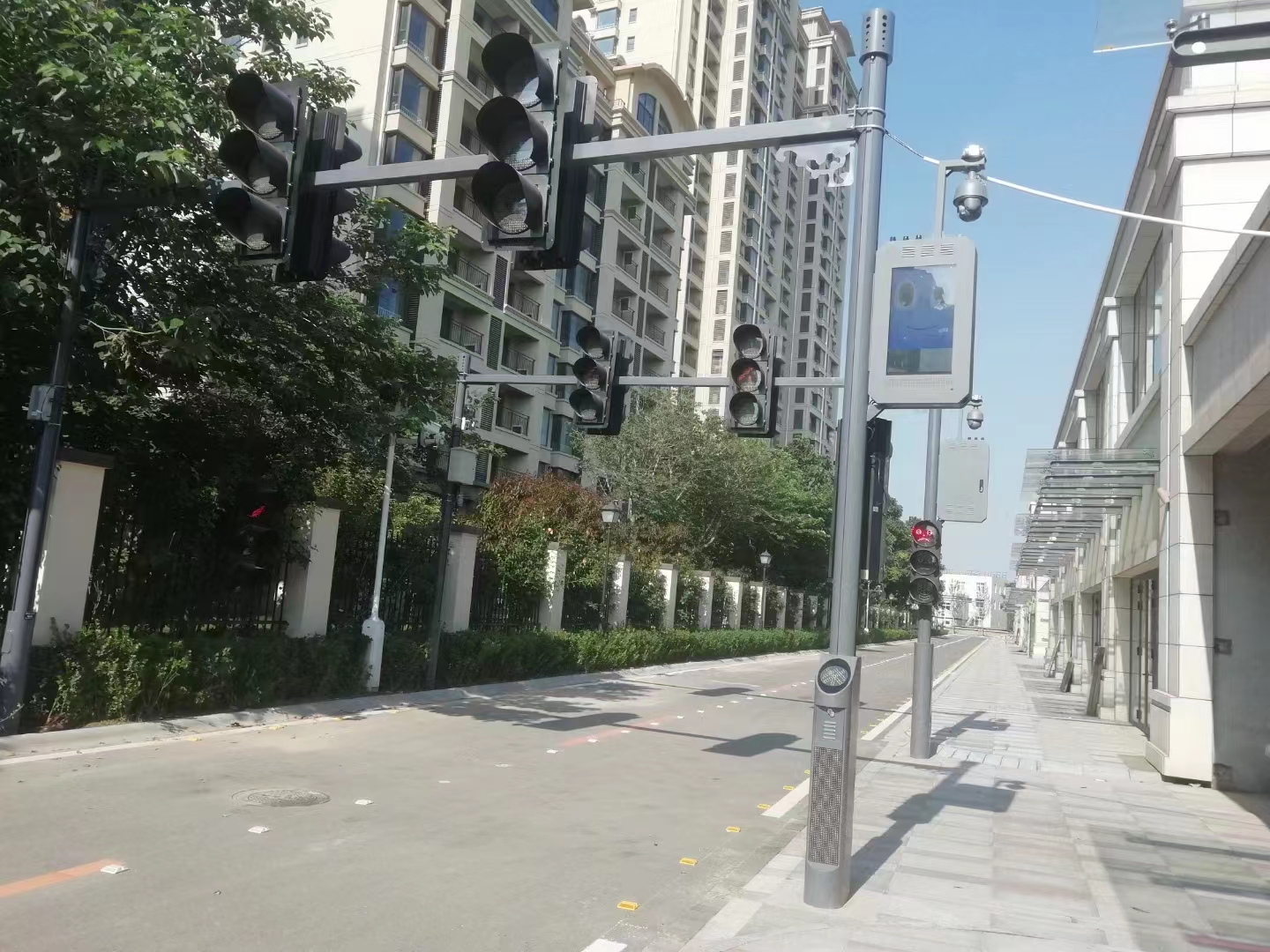
Our customized smart pole was selected because its structural platform allows integrated mounting of lighting, surveillance, and communication modules within a single engineered column.
Alternative approaches involving multiple discrete poles were rejected due to lifecycle maintenance inefficiencies and spatial constraints.
Results & Impact (Before vs After Comparison)
BEFORE
-
Disjointed infrastructure
-
Frequent corrosion-related repairs
-
Manual inspection dependency
-
Inefficient multi-agency coordination
AFTER
-
Consolidated infrastructure footprint
-
Improved structural durability under monsoon exposure
-
Centralized remote monitoring
-
Reduced maintenance dispatch frequency
-
Enhanced night-time visibility and traffic observation
Operational performance improved at the system level rather than the individual component level.
Broader Impact: Scaling from Dhaka to Nationwide Infrastructure in Bangladesh
The Smart Pole platform enables:
-
Standardized infrastructure nodes across cities
-
Centralized municipal monitoring frameworks
-
Reduced urban visual clutter
-
Phased digital transformation
Nationwide adoption can strengthen urban resilience while improving operational governance efficiency.
FAQs You May Concern
Can Smart Poles operate reliably in monsoon climates?
Yes. Structural sealing and corrosion-resistant materials are designed for high-humidity and heavy rainfall environments.
Does integration increase maintenance complexity?
No. Centralized monitoring reduces field visits and enables targeted servicing.
Can existing lighting systems be integrated?
Yes. The system supports phased integration and retrofitting strategies.
Is the system scalable for future smart city applications?
Yes. Modular architecture allows additional sensors and communication modules.
Does consolidation reduce infrastructure footprint?
Yes. Multi-functional integration reduces redundant poles and underground cabling.
Post time: Mar-02-2026